Understanding Seasonal Depression in Utah: Why Winter Hits Hard and Ways to Support Your Well-Being
As winter settles into Utah, many adults notice subtle emotional changes long before the deep cold arrives. Mornings may feel heavier. Motivation may dip. Many things may feel a little slower, a little duller, and a little harder to push through. For some, this shift is mild and temporary. For others, it becomes something more: a persistent heaviness, a loss of interest in things they normally care about, or a growing sense of fatigue that does not seem to lift.
This experience is more common than many people realize. In Utah, Major Depressive Disorder, Recurrent Episode, With Seasonal Pattern (Seasonal Affective Disorder) affects a significant number of adults. Between long nights, high altitude, low winter sunlight, and months of inversion, many people feel the emotional weight of the season.
If you have felt this shift in your body or mood each winter, you are not alone. There are supportive ways to understand what is happening and steps that can be taken to help.
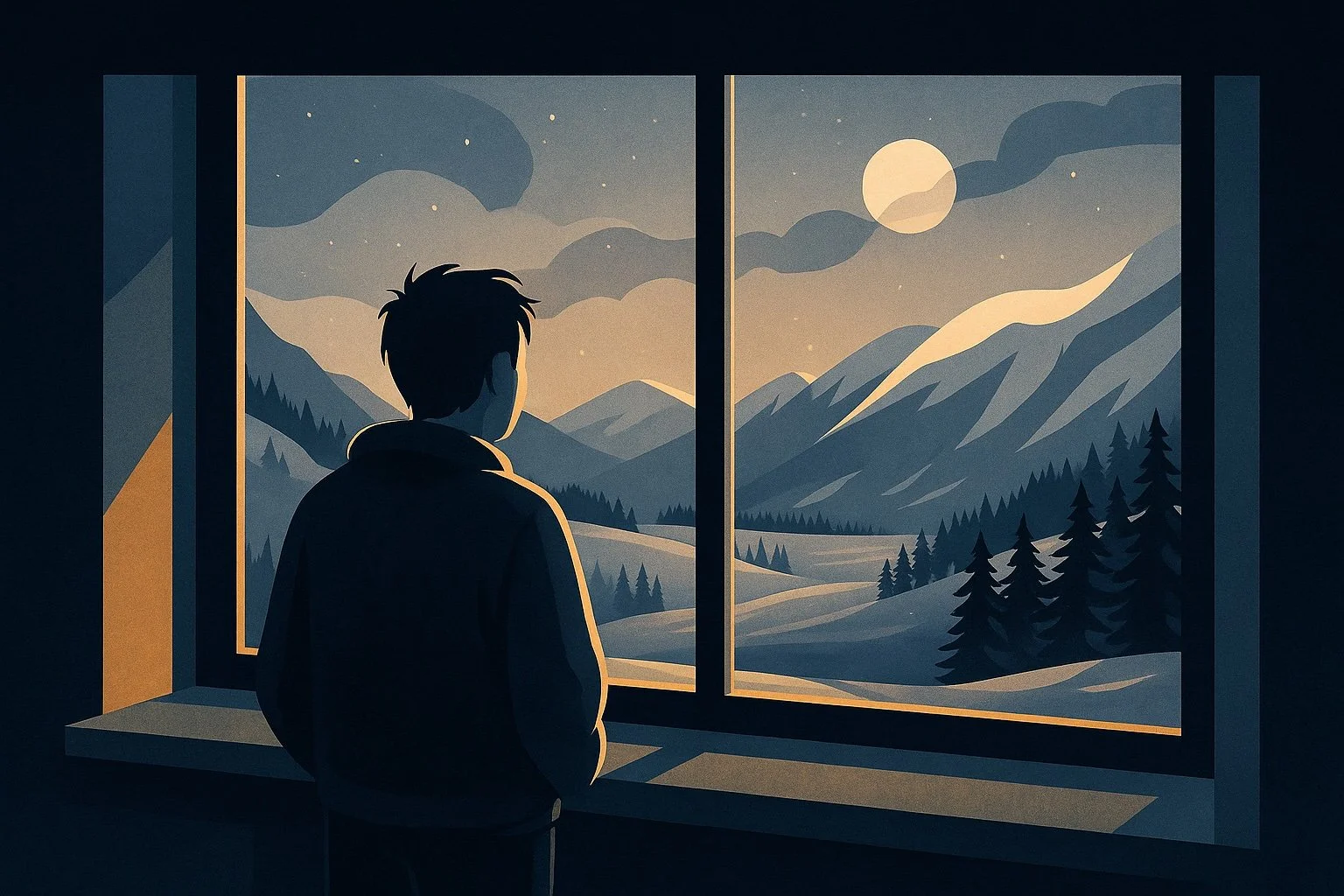
Understanding Seasonal Affective Disorder (SAD)
Seasonal Affective Disorder refers to Major Depressive Disorder, Recurrent Episode, With Seasonal Pattern, a form of depression that follows a predictable seasonal cycle. It most often begins in late fall and lasts through winter. This is more than “winter blues.” SAD affects the nervous system, the sleep–wake cycle, and the way the brain regulates mood and energy.
Common symptoms include:
low energy, fatigue, or a sense of sluggishness
difficulty waking up in the morning
increased sleep or daytime drowsiness
changes in appetite, including carb cravings
loss of interest in activities you usually enjoy
feeling disconnected or withdrawn
a sense of heaviness, hopelessness, or irritability
SAD can also show up as emotional numbness or a sense that everything requires more effort than it should. Many adults find themselves shutting down socially even when they want connection.
Why SAD Is Common in Utah
Utah’s climate increases the likelihood of seasonal depression for several reasons.
Limited Winter Sunlight
Short days disrupt serotonin and melatonin, which are key chemicals involved in mood and sleep regulation.
Altitude
High elevation brings intense summer sunlight and significantly reduced winter light. The sharp shift can impact mood and energy.
Inversion
Inversions trap cold air and pollution close to the ground. This reduces sunlight and can contribute to fatigue, irritability, and difficulty concentrating.
Long Winters
Snow, cold temperatures, and icy roads create barriers to exercise, movement, and social connection.
Cultural Pressure to “Push Through”
Many adults feel pressure to remain productive or upbeat during winter. When depression sets in, it can feel like a personal failure rather than a physiological response to seasonal change.
SAD is not a character flaw. It is a predictable response to environmental stressors that can be understood and treated.
The Nervous System’s Response to Winter
For many adults, winter creates a type of nervous-system conservation mode. The body becomes more protective, less energized, and more sensitive to emotional overwhelm. This is not laziness. It is physiology.
You may notice:
you feel more tired even when you get enough sleep
your patience feels thinner
your body wants to stay home
you become overstimulated more easily
motivation feels harder to access
Your brain and body are asking for support, not judgment.
How Therapy Helps With Seasonal Depression
Therapy offers a grounding, compassionate space to explore what you are experiencing. At New Heights Counseling, the intention is to be warm, affirming, and responsive to your lived experience.
Therapy can help you:
understand your seasonal patterns
reduce shame around slowing down
support your energy, sleep, and motivation
identify triggers that winter intensifies
build routines that feel doable
work through depressive patterns that resurface in colder months
navigate isolation, loneliness, or emotional overwhelm
Therapy is not about forcing productivity. It is about helping you stay connected to yourself during a season that naturally challenges emotional well-being.

Evidence-Based Tools That Make a Difference
Many adults find relief through a combination of supports. Even small changes can make winter feel more manageable.
Light Therapy
Some people explore the use of light therapy as a supportive tool for seasonal depression. If you are considering a light box or similar device, it can be helpful to speak with a healthcare provider to determine what type and approach may be appropriate for your needs.
Routine and Gentle Structure
Small, consistent habits can anchor the nervous system.
Mindfulness and Somatic Tools
Grounding practices, paced breathing, and somatic awareness reduce stress and reactivity.
Behavioral Activation
Therapy can help you reintroduce activities, even in small steps, to reduce depressive momentum.
EMDR and EMDR-Informed Approaches
Some adults notice winter intensifies unresolved distress. EMDR therapy and EMDR-informed approaches can help shift old patterns that resurface during this season.
Connection
Moments of connection, whether with people, pets, or the world around you, can help soften the impact of winter.
You do not need to use all of these tools. Even one or two supportive changes can make a difference.

A Compassionate Reminder: Winter Is Not a Measure of Your Worth
Seasonal depression can make you question your motivation, your progress, or your emotional resilience. Winter is not a test. It is simply a season your mind and body respond to in predictable and understandable ways.
Feeling low energy does not mean you are failing.
Needing rest does not mean you are doing anything wrong.
It simply means this time of year asks for mindful consideration and compassionate care, and it’s human if that feels challenging to navigate.